AI6 min read
Why Claude 3.7 is the Ultimate Developer Companion
Analyzing Anthropic's latest model and why its deep reasoning capabilities outperform GPT-4 in complex architectural design.
Welcome back to your workspace
For years, developers have struggled with the context window limitations of Large Language Models. When dealing with enterprise codebases, simply pasting snippets into ChatGPT is no longer sufficient. Enter MCP (Model Context Protocol).
MCP acts as a seamless standardized bridge between your AI assistant (like Claude or an Agentic IDE) and your local filesystem, databases, and APIs. It allows the model to map out relationships, understand interconnected modules, and autonomously traverse your project architecture to solve complex bugs without human hand-holding.
Instead of "write a function to sort an array," an MCP-empowered agent can be told "Find why the checkout service is rejecting payload payloads when the user has a legacy discount code." The agent will read logs, trace the DB schema, identify the failing validation layer, and propose a multi-file diff to fix it.
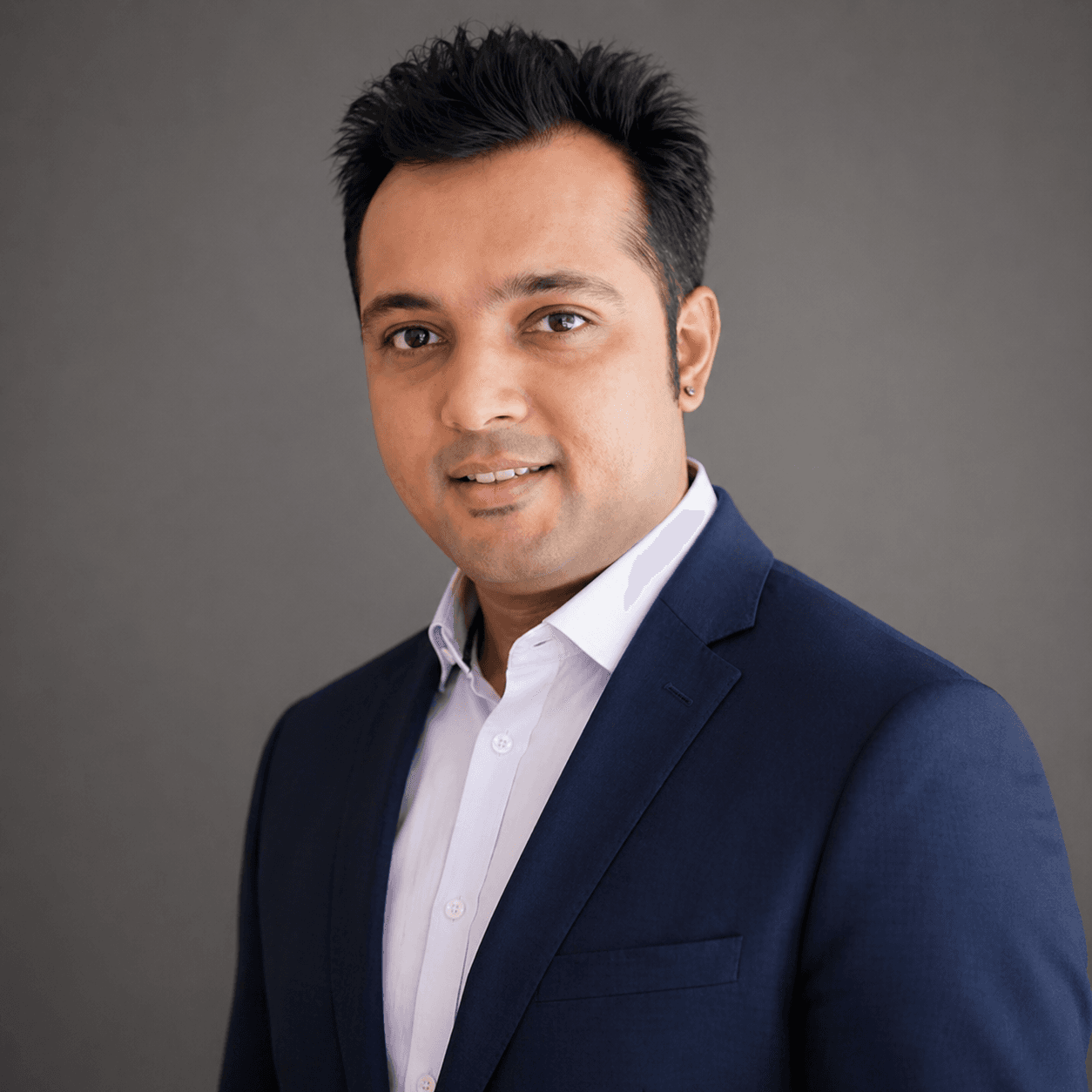
Technical Adviser, Renav Limited
Vishal has 13+ years of experience in full-stack software development, specialising in Laravel, Next.js and cloud architecture. He leads technical direction at Renav Limited, a UK-based bespoke software agency.
Analyzing Anthropic's latest model and why its deep reasoning capabilities outperform GPT-4 in complex architectural design.
How we're utilizing Laravel's elegant ecosystem to securely connect backend business logic to powerful LLM APIs.